If you have a little crack in your outside stucco, it is rather straightforward to repair; nevertheless, you should do so right away since failure to do so may result in future expensive repairs. Small stucco cracks may appear harmless at first, but over time they can allow moisture to enter behind the exterior wall system. Water intrusion can eventually lead to mold, rot, discoloration, and structural damage if the issue is ignored for too long.
Homeowners in Toms River and surrounding New Jersey areas often deal with cracked stucco due to changing weather conditions, humidity, settling foundations, and natural aging of exterior materials. Understanding how to repair cracked stucco early can help extend the lifespan of your home’s exterior and prevent costly stucco remediation in the future.
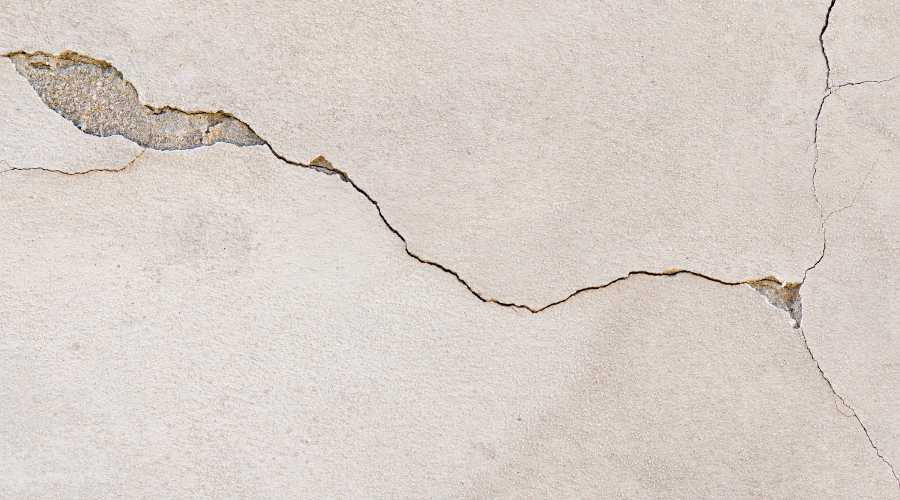
Q: The original stucco on my 64-year-old house still exists. There is a minor fracture on one exterior wall, with paint peeling away on both sides. Is it feasible to repair the stucco quickly and effectively before the rains come, and can I do this myself?
A: Good news: based on your description, your crack is not the consequence of the foundation sinking. If you had detected larger cracks and other danger signs, such as sticky doors and windows, I would have encouraged you to visit a foundation specialist. As is, any do-it-yourselfer may do this work. You were right to be careful since the assignment is critical. If rain gets under the stucco, you can have a bigger problem.
Several commercially available products may be used to repair stucco. Some are designed to fix larger gouges and holes, while others are designed to mend cracks, as you describe. Quikrete, for example, makes a practical and simple-to-apply textured acrylic caulk.
It may seem counterintuitive to begin by expanding the crack with a cold chisel and hammer to at least a quarter inch. The crack’s edges should be chiseled parallel to the wall. Backcut the crack, so its base is wider than its top. Then, remove any leftover loose particles from the crack using a wire brush.
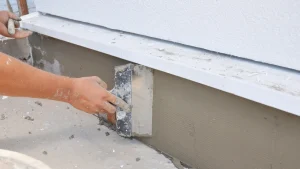
Using a standard caulking gun, immediately apply the stucco repair compound along the crack. As you go, trowel the repair to match the look of the surrounding stucco. After the patch has dried for 24 hours, paint it with water-based paint, preferably in the color of the house’s exterior.
Even after curing, the finished product is still malleable to the touch. In reality, such pliability demonstrates how robust the repair is. If the wall slightly shifts in the future, the repair will adapt rather than fall undone. You may be sure that precipitation will not be able to penetrate behind the stucco now that the crack has been thoroughly repaired.
Professional stucco repair is recommended to maintain proper sealing and to avoid future damage.
What Causes Stucco Cracks?
Stucco cracks can develop for several reasons. In many homes, minor hairline cracks are caused by natural settling and temperature fluctuations. Over time, exterior walls expand and contract due to heat, cold, rain, and humidity, which can place stress on the stucco surface.
Other common causes of cracked stucco include:
- Improper stucco installation
- Poor drainage around the home
- Water intrusion behind the wall system
- Foundation movement
- Aging exterior materials
- Low-quality stucco mix
- Lack of maintenance
Some cracks are purely cosmetic, while others may indicate deeper structural or moisture-related problems. If the cracks continue to grow, spread, or allow water leaks into the home, it may be necessary to contact a professional stucco contractor for a complete inspection.
Signs That Cracked Stucco May Be Serious
Not all stucco cracks require full remediation, but homeowners should watch for warning signs that indicate more significant damage. Large horizontal cracks, stair-step cracks, bulging stucco, soft spots, mold growth, and staining around windows or doors can all point to hidden moisture issues.
If you notice peeling paint, bubbling surfaces, or damp interior walls near the damaged stucco, moisture may already be trapped behind the exterior finish. In these situations, professional stucco remediation services may be needed to remove damaged materials and restore the integrity of the wall system.
Why Timely Stucco Repair Matters
Repairing cracked stucco quickly can help protect your home from long-term damage. Small repairs are usually much more affordable than extensive remediation projects caused by years of neglected water intrusion.
Routine stucco maintenance also helps maintain curb appeal and property value. A properly maintained stucco exterior improves insulation, weather resistance, and the overall appearance of your home. Many homeowners in Toms River invest in regular exterior inspections to identify early signs of damage before repairs become expensive.
Should You Hire a Professional Stucco Contractor?
While small hairline cracks can often be repaired by homeowners, larger or recurring cracks should always be inspected by experienced stucco repair contractors. Professional stucco specialists can identify hidden issues, recommend the correct repair method, and ensure the exterior is properly sealed against future moisture damage.
Hiring professional stucco repair services also helps ensure the repaired area blends seamlessly with the existing texture and finish of your home. Whether you need crack repair, stucco patching, or full stucco remediation, working with experienced contractors can provide long-term protection and peace of mind.
If you notice cracked stucco on your home in Toms River, addressing the issue early can save you time, money, and future structural problems.