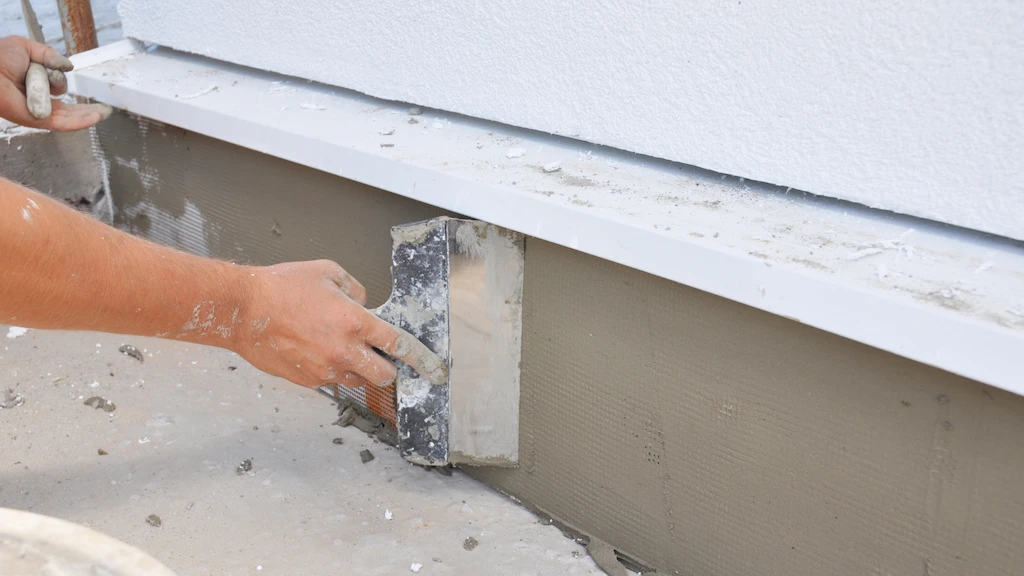
Want to make your home more energy efficient? Insulated stucco systems are one of the best ways to do it. They give your home a beautiful, long-lasting finish. They also do a great job of keeping heat where you want it. In this post, we’ll look at how well stucco insulates, how these systems are built, and what to weigh before you install one.
Visit https://tomsriverstucco.com/ for more details.
What Is the Insulation Value of Stucco?
On its own, stucco doesn’t insulate very well. Its R-value is only about 0.20 per inch. (R-value measures how well a material resists heat flow. Higher is better.) But stucco works much better when you add insulation. Insulated stucco systems, also called Exterior Insulation and Finish Systems (EIFS), add a layer of foam. This raises the R-value by a lot. Depending on the foam type and thickness, these systems can reach an R-value of R-4 to R-12 per inch.
Understanding Stucco Insulation Systems
A stucco insulation system is built to look good and save energy. Most systems have several layers:
- Base Layer: The base is the sheathing the system sits on. This can be plywood, oriented strand board (OSB), or a similar material.
- Insulation Board: This board is made from foam, such as expanded polystyrene (EPS), extruded polystyrene (XPS), or polyisocyanurate. Its thickness sets the system’s overall R-value.
- Base Coat: A cement-based or acrylic layer goes over the foam board. It creates a tough, weather-resistant surface.
- Reinforcement Mesh: This mesh sits inside the base coat. It adds strength and helps stop cracks.
- Finish Coat: The top layer comes in many textures and colors. It gives the wall its final look.
Benefits of Stucco Insulation Systems for Energy Efficiency
- Lower Energy Bills: These systems cut down on heat moving through your walls. That keeps indoor temperatures steady. It also lowers your heating and cooling bills, so you save energy.
- Moisture Control: The system is built to handle moisture. It keeps water out and lowers the risk of mold and mildew. This helps your home’s structure last longer.
- Tough and Low-Upkeep: Stucco is strong and stands up to the weather. With good installation and care, an insulated stucco system can last for decades.
- Many Style Options: Stucco comes in lots of textures and colors. You can match almost any style of home. So you boost curb appeal and energy savings at the same time.
Considerations When Installing Stucco Insulation Systems
- Hire a Pro: For the best results, have a skilled pro install the system. A poor install can let water in and weaken the insulation.
- Fits Your Home: Check that the system fits your home’s current structure. Some older homes need extra prep before the new system goes on.
- Local Climate: Think about your area’s weather when you pick the foam type and thickness. Some kinds of insulation work better in certain climates.
- Cost vs. Savings: Insulated stucco can cost more up front than regular stucco. But the energy savings often make up for it over time. Look at your energy use and local utility rates to estimate your return.
Conclusion
An insulated stucco system gives you a lot in one package: good looks, long life, and real energy savings. Once you know how stucco insulates, how these systems are built, and what to weigh first, it’s easier to make a smart choice. Building new or fixing up an older home? Insulated stucco is a great mix of beauty and low energy use. That makes it a smart pick for any homeowner who wants to save.